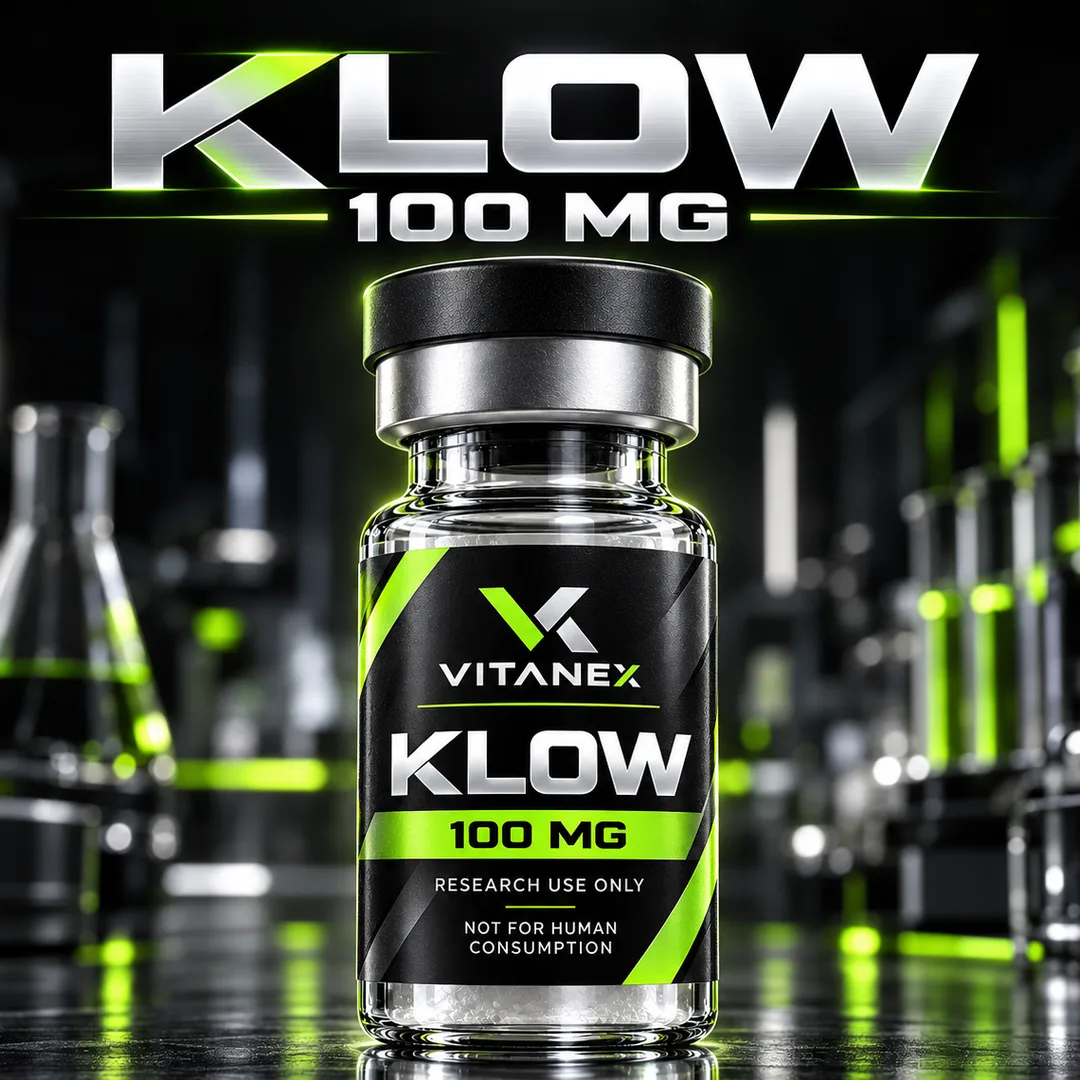
100 mg
KLOW
Blend of GHK-Cu, BPC-157, TB-500 and KPV. Studies on the individual components do not evaluate the blend.
For research use only
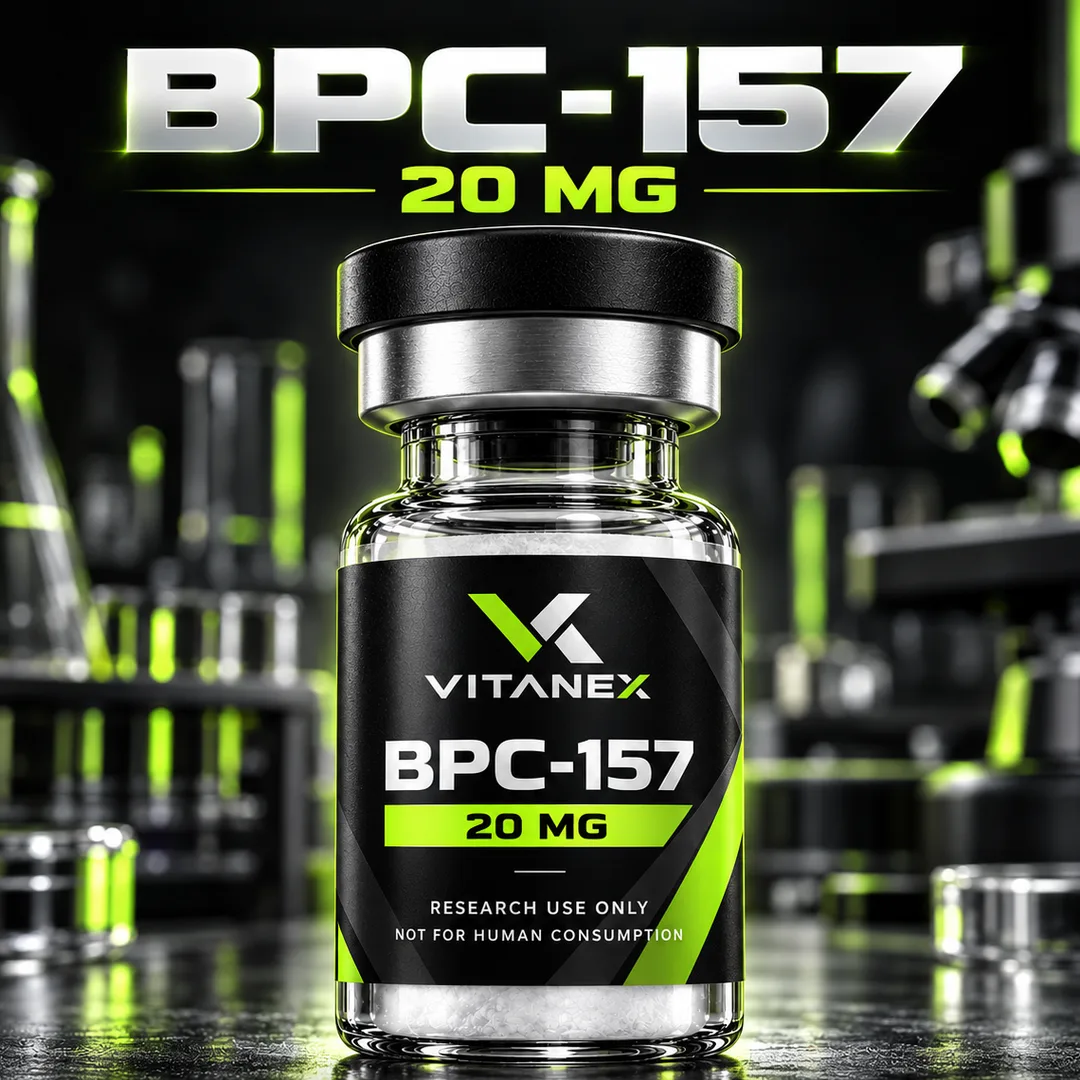
Synthetic peptide studied mainly in preclinical models of tissue repair, intestinal wound healing and inflammatory responses.
Preclinical research in animals and cells.
BPC-157 is a synthetic pentadecapeptide (15 amino acids) based on a sequence of a protein found in gastric juice. It is one of the most frequently studied peptides in preclinical models.
Preclinical research covers tissue-repair signaling, angiogenesis, gastrointestinal integrity and musculoskeletal recovery models, including fistula healing and experimental periodontitis in rats. Human clinical data remain limited.
Supplied as a 20 mg vial for laboratory research.
Pentadecapeptide BPC 157 is effective in the healing of colocutaneous fistulas in rats: role of the nitric oxide-system
J Pharmacol Sci, 2008 · PMID 18818478
View on PubMedAntiinflammatory effect of BPC 157 on experimental periodontitis in rats
J Physiol Pharmacol, 2009 · PMID 20388954
View on PubMed100 mg
Blend of GHK-Cu, BPC-157, TB-500 and KPV. Studies on the individual components do not evaluate the blend.
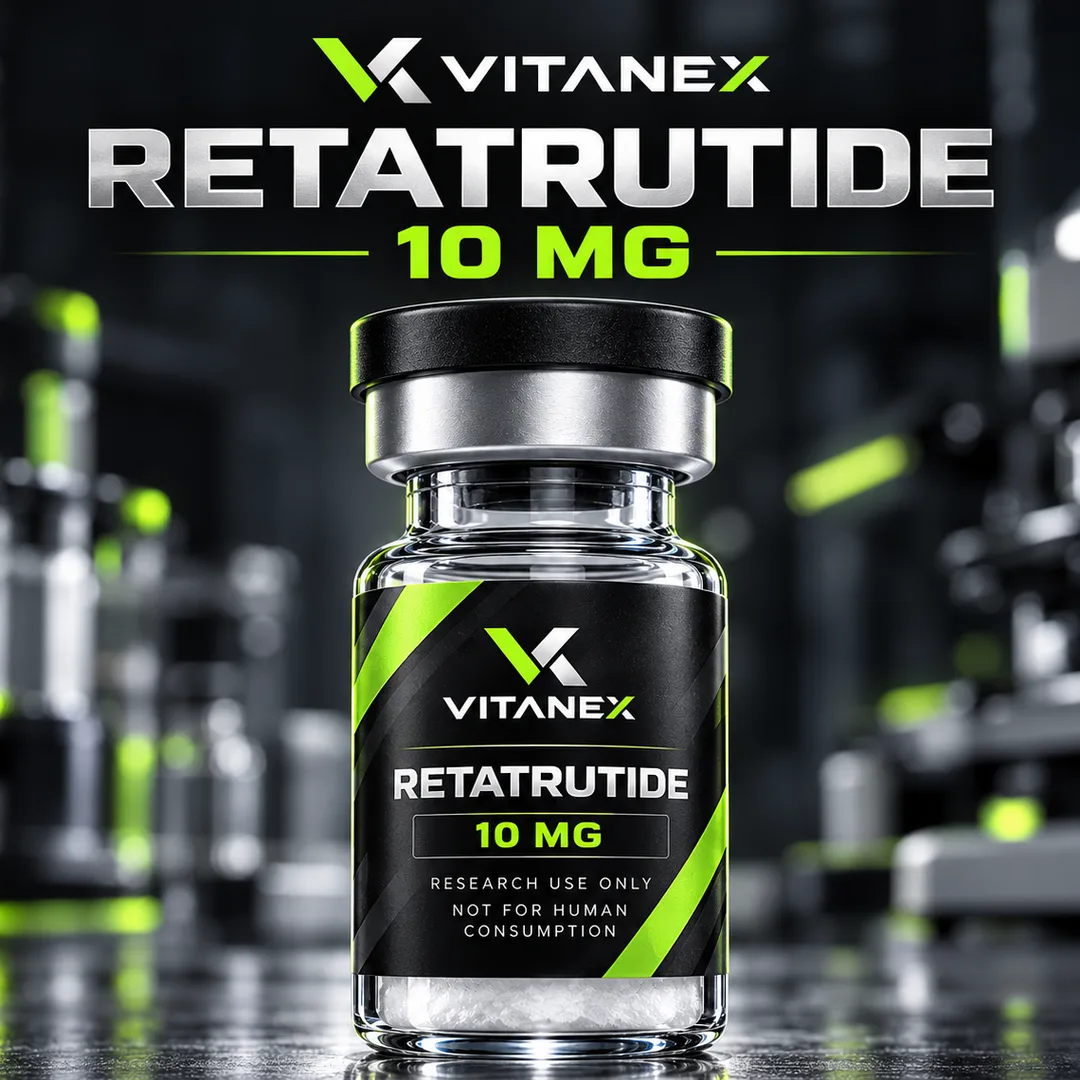
10 mg · 20 mg · 30 mg · 50 mg
Investigational peptide targeting GIP, GLP-1 and glucagon receptors. Studied in clinical trials on body weight and glycemic control.
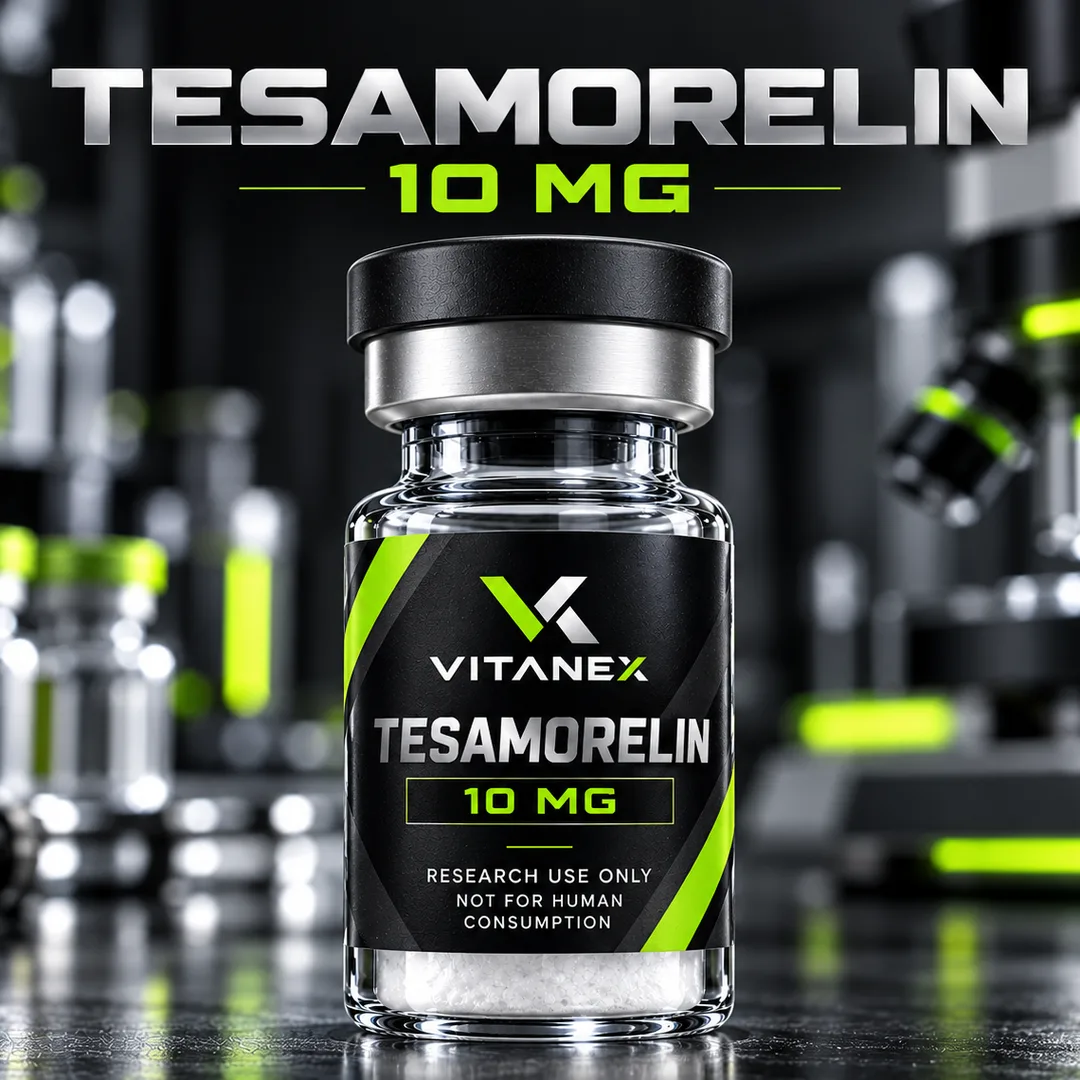
10 mg · 20 mg
GHRH analog studied in GH/IGF-1 signaling and visceral fat, including trials in people with HIV and altered fat distribution.
$100
Out of stock
100 mg
Blend of GHK-Cu, BPC-157, TB-500 and KPV. Studies on the individual components do not evaluate the blend.
10 mg · 20 mg · 30 mg · 50 mg
Investigational peptide targeting GIP, GLP-1 and glucagon receptors. Studied in clinical trials on body weight and glycemic control.
10 mg · 20 mg
GHRH analog studied in GH/IGF-1 signaling and visceral fat, including trials in people with HIV and altered fat distribution.