10 mg · 20 mg · 30 mg · 50 mg
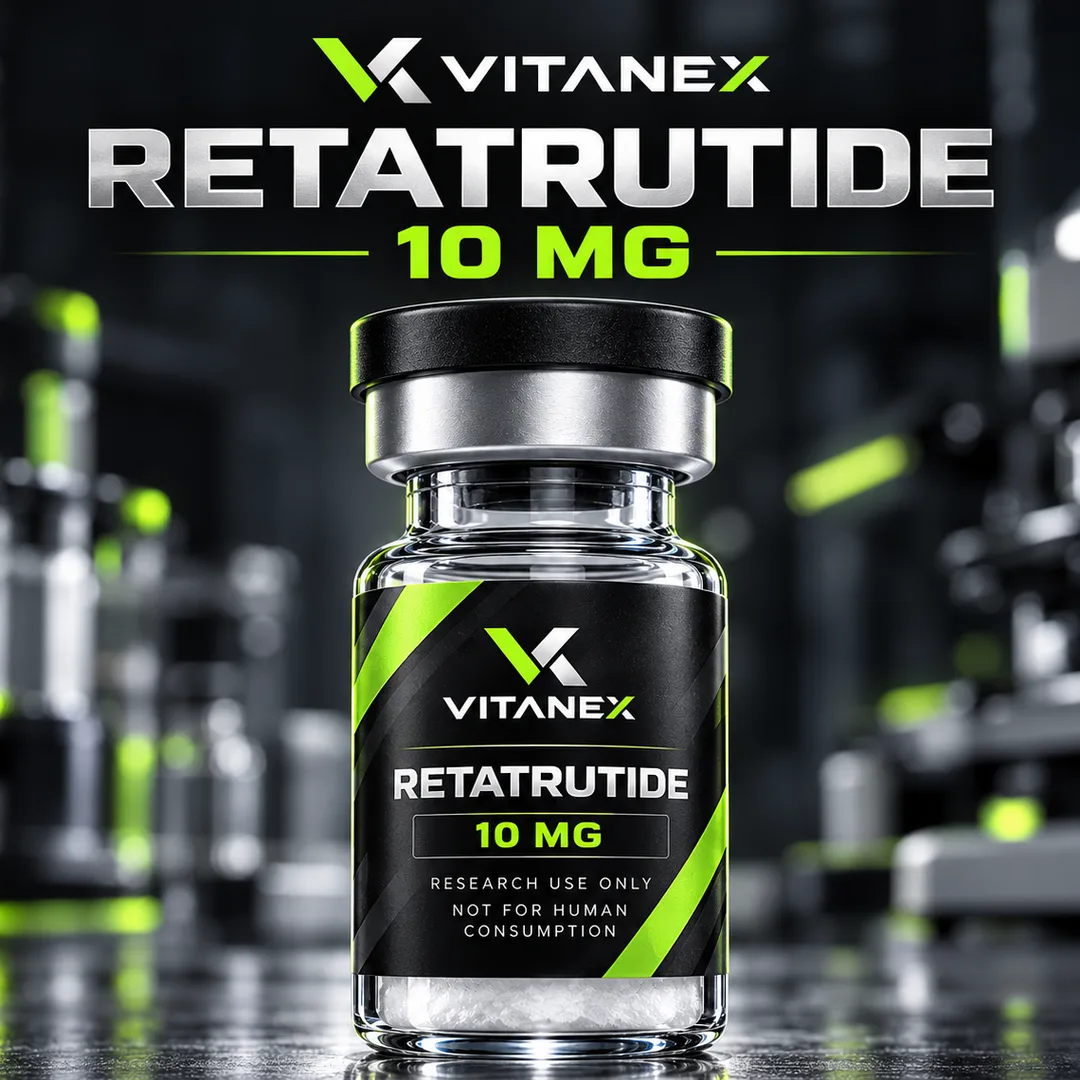
Retatrutide
Investigational peptide targeting GIP, GLP-1 and glucagon receptors. Studied in clinical trials on body weight and glycemic control.
For research use only
Synthetic tetrapeptide (Lys-Glu-Asp-Gly) from the short bioregulator peptide family, studied in endocrine tissue and gene-regulation research.
Preclinical research in animal and cell models.
Testagen is a synthetic tetrapeptide with the sequence Lys-Glu-Asp-Gly (KEDG), part of the short regulatory peptides described by V. Khavinson's research group.
Animal studies have examined its effects on the hormonal activity and structure of the thyroid gland and on thymus morphology in young and aging birds, and cell studies have described its penetration into the nucleus and interaction with DNA sequences.
Supplied as a vial for laboratory research.
Effects of peptides Lys-Glu-Asp-Gly and Ala-Glu-Asp-Gly on hormonal activity and structure of the thyroid gland in hypophysectomized young chickens and old hens
Bull Exp Biol Med, 2011 · PMID 22268052
View on PubMedPenetration of short fluorescence-labeled peptides into the nucleus in HeLa cells and in vitro specific interaction of the peptides with deoxyribooligonucleotides
Biochemistry (Mosc), 2011 · PMID 22117547
View on PubMed10 mg · 20 mg · 30 mg · 50 mg
Investigational peptide targeting GIP, GLP-1 and glucagon receptors. Studied in clinical trials on body weight and glycemic control.

10 mg · 20 mg
GHRH analog studied in GH/IGF-1 signaling and visceral fat, including trials in people with HIV and altered fat distribution.
100 mg
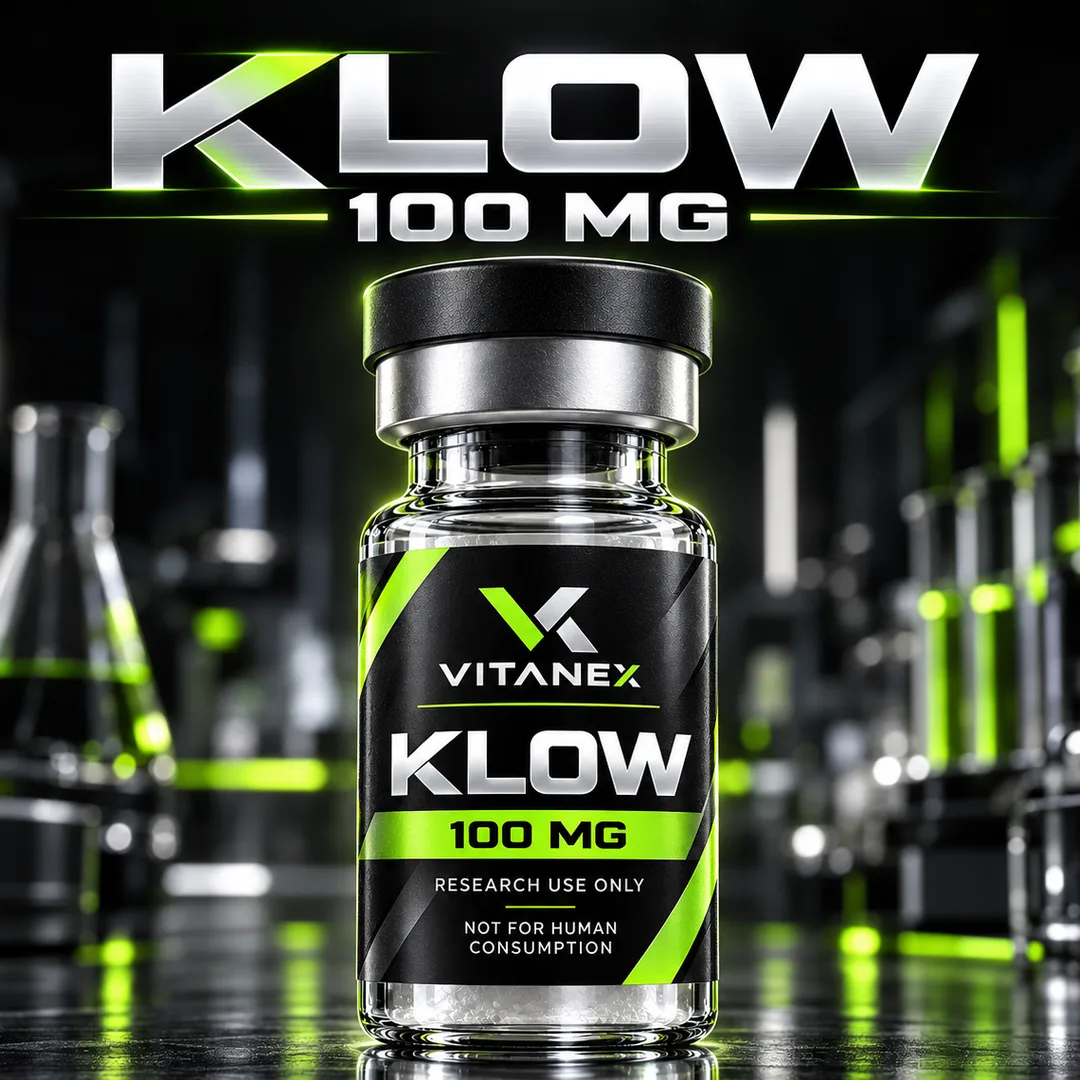
Blend of GHK-Cu, BPC-157, TB-500 and KPV. Studies on the individual components do not evaluate the blend.
Out of stock
10 mg · 20 mg · 30 mg · 50 mg
Investigational peptide targeting GIP, GLP-1 and glucagon receptors. Studied in clinical trials on body weight and glycemic control.
10 mg · 20 mg
GHRH analog studied in GH/IGF-1 signaling and visceral fat, including trials in people with HIV and altered fat distribution.
100 mg
Blend of GHK-Cu, BPC-157, TB-500 and KPV. Studies on the individual components do not evaluate the blend.